In Salinas, you need insect control and rodent prevention that matches seasonal ant, roach, spider, and rodent pressure from agriculture, moisture, and weather shifts. You should expect a documented inspection, species identification, exclusion review, and monitoring plan before any intervention starts. Quick service helps you limit contamination, protect wiring and food storage, and reduce escalation into wall voids or crawlspaces. Compliant services also document baiting, sealing, cleaning corrections, and follow-up timing so you can see what comes next.
Key Highlights
- Salinas properties commonly face ants, cockroaches, spiders, earwigs, and rodents due to coastal weather, agriculture, irrigation, and seasonal harvest activity.
- Effective pest control initiates with documented inspections identifying species, entry points, moisture sources, harborage zones, and sanitation risks.
- Urgent rodent service is needed for fresh droppings, gnaw marks, scratching noises, grease trails, nesting debris, or daytime sightings.
- Rodent prevention combines exclusion, secure bait stations, monitoring, vegetation trimming, waste control, and humidity reduction around structures.
- Ongoing quarterly and seasonal inspections help verify barriers, track pest pressure, and adjust treatments before infestations escalate.
Common Unwanted Pest and Rodent Challenges in Salinas
Salinas offers unique circumstances with its intensive agricultural activity, mild coastal climates, and seasonal moisture that increase your probability of recurring pest and rodent problems year-round. Local conditions facilitate ants, cockroaches, spiders, earwigs, and commensal rodents that target food storage areas, irrigation zones, crawlspaces, and wall voids. Seasonal infestations arise when climatic shifts, harvest cycles, and rainfall patterns change harborage and foraging patterns, producing additional issues for you.
To minimize vulnerability, you must recognize Rodent attractants immediately and correct building, sanitation, and water deficiencies before populations develop. All of these factors—unsealed utility penetrations, heavy vegetation near foundations, standing water, and poorly managed waste handling—amplify site risk. Exclusion, habitat modification, monitoring, and documentation should be emphasized in a regulation-based prevention plan, specifically for food-related properties subject to health, safety, and audit standards in business and residential settings.
Signs You Need Rodent Pest Control Right Away
Typically, rodent issues becomes pressing when you notice new droppings, rub marks along baseboards, gnaw damage on boxes or wiring, sounds in walls, or a powerful ammonia-like stench in closed areas.
You should also monitor for nest debris, ripped paper, chewed insulation, and rub marks near conduit penetrations. If you find burrows near foundations, grease trails in basements, or tracks around food supplies, your preventative controls most likely aren't functioning to specification. Pet food damage, damaged door sweeps, and broken vent screens indicate existing access points that necessitate quick correction. You shouldn't ignore daytime sightings either; they typically suggest population pressure and limited harborage. Prompt assessment helps you note entry routes, verify sanitation deficiencies, and execute compliant corrective actions before building vulnerabilities and contamination issues grow throughout your property further.
Why Timely Pest Management Matters in Salinas
When pests gain a presence in Salinas, they can swiftly jeopardize food storage areas, damage insulation and wiring, and elevate your vulnerability to contamination risks that compromise both occupancy requirements and normal operations.
You need swift response because Salinas seasonal patterns can accelerate breeding cycles, send rodents indoors, and increase insect presence near moisture, crops, and storage areas. Swift action allows you contain structural damage, block droppings and nesting material from dispersing, and minimize the probability of failed inspections or stopped workflows. It also aids sanitation programs by finding entry points quickly, protecting inventory, and ensuring your property in line with health, safety, and facility maintenance requirements year-round in Salinas' shifting conditions.
What to Anticipate From Professional Pest Control Treatment
Swift response establishes the groundwork for effective treatment, but you should also know what the service itself entails. Your technician typically begins with a comprehensive inspection to locate pest species, entry conditions, moisture sources, harborage areas, and activity patterns. That assessment guides a treatment plan aligned with label requirements, local regulations, and site-specific risk factors.
You can look forward to precise applications rather than unnecessary product use. Technicians may use spot treatments, baits, monitors, and exclusion recommendations where needed. They should explain reentry intervals, ventilation needs, sanitation steps, and follow-up timing. If you're addressing seasonal infestations, they'll tailor scheduling and product selection to fit pest pressure and environmental conditions. Transparent communication about pet safety is essential too, so you should get instructions for keeping animals away from treated areas until products have set or settled.
What Rodent Prevention Services Cover
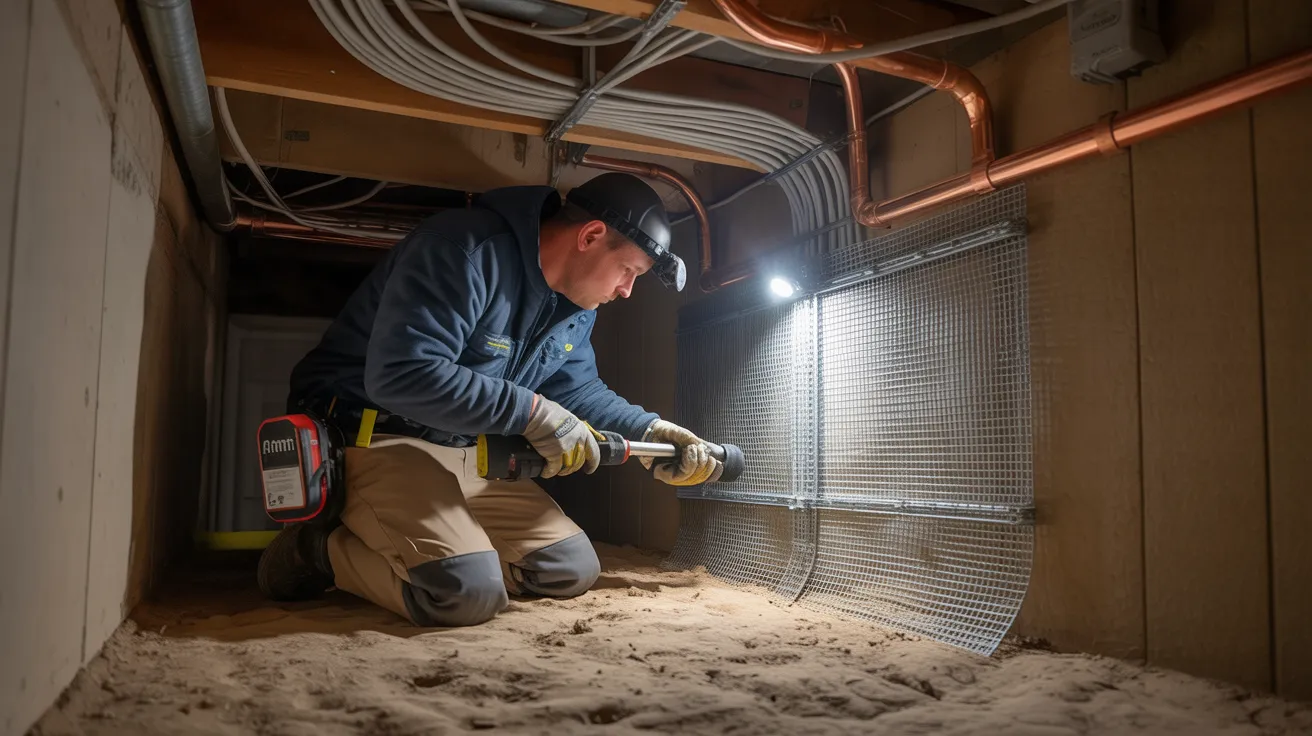
How do pest prevention services prevent recurring activity before it becomes an infestation? You receive a structured inspection that identifies entry points, moisture sources, nesting areas, and food access. Technicians document hazards, map vulnerable gaps, and confirm sanitation conditions against existing exclusion and safety standards. They set up barriers at utility penetrations, door sweeps, crawlspace vents, and roofing intersections, including attic sealing where required. You also get trap placement plans designed for tracking, not just removal.
Prevention services also include habitat correction and material recommendations that support long term control. You may need vegetation trimming, storage modifications, waste containment upgrades, and drain protections. Providers often apply pet safe repellents in designated areas and use protected devices where regulations require them. Clear reporting helps you monitor conditions, corrections, and compliance over time.
When Extermination Service Should Be Arranged
Service booking works best before pest activity advances from isolated indicators to established harborage. Book service when inspection detects droppings, rub marks, gnawing, nesting debris, grease trails, or frequent insect observations. Early intervention minimizes contamination threats, shields food-storage locations, and ensures sanitation compliance in homes, rentals, and commercial facilities.
You should also use seasonal scheduling to match pest pressure cycles. In Salinas, plan inspections before spring breeding accelerates, before summer ant and fly activity intensifies, and before fall rodents pursue indoor shelter. After storms, plumbing leaks, construction, vacancy, or tenant turnover, arrange another assessment because building gaps and moisture often produce new entry points. Preserve emergency readiness by planning immediate service if you notice sudden daytime rodent activity, wasp nesting near entrances, or pests in high-risk areas.
Picking a Pest Control Provider
You should check that any pest control service you engage holds up-to-date state licensing and relevant certifications, because adherence directly influences safety, legality, and service quality. It's also advisable that the company describe its treatment techniques clearly, including target pests, application methods, reentry intervals, and any needed preventive actions. When the provider documents credentials and communicates protocols in straightforward terms, you can make a better-informed, more knowledgeable decision.
Official Licensing And Certifications
Legitimate credentials matter greatly since pest control services demand government-monitored chemicals, deployment standards, and documented safety practices. You should confirm that any service holds a legitimate state license for California and can present current registration, operator classification, and proof of insurance. Ask whether technicians undergo ongoing compliance training and whether supervisors accurately record inspections, corrective actions, and service records.
You should also seek industry certifications that represent independent standards beyond minimum licensing. Professional companies commonly maintain training through recognized associations and follow written safety protocols, pesticide handling requirements, and recordkeeping rules. Ensure that the company can supply Safety Data Sheets, employee qualification records, and renewal dates for all credentials. When you hire a licensed, certified company, you reduce regulatory risk and strengthen accountability for your property.
Understanding Treatment Procedures
Once you've validated licensing and certifications, the upcoming step is to review how a provider treats and eliminates infestations. A written treatment plan that details target pests, application areas, active ingredients, and required reentry periods should be obtained. Before applying products, a qualified firm will clarify inspection findings, sanitation fixes, exclusion procedures, and monitoring schedules.
You should also compare control tools and their constraints. When placement follows label directions and secure station protocols, integrated baits can facilitate targeted rodent treatment. Ultrasonic repellents may supply limited supplemental value, but they shouldn't substitute for trapping, sealing entry points, or documented habitat alteration. Opt for a company that uses least-risk methods first, maintains service records, and modifies treatments based on pest pressure, occupancy, and environmental conditions to minimize recurrence and protect your property.
The Way Consistent Pest Management Works
You keep control by adhering to a organized prevention plan with scheduled property inspections that identify risk conditions before they deteriorate. You decrease pest pressure through focused preventive treatments that correspond to site conditions, product labels, and pertinent safety requirements. You also reinforce long-term rodent prevention via exclusion monitoring, which confirms that seals, barriers, and entry-point controls maintain effective.
Property Inspection Scheduling
Systematic property assessments ensure that pest prevention remains anticipatory by identifying environments conducive to rodent activity before they escalate into violations or infestations.
Enhanced control is achieved when you systematically document entry points, moisture sources, harborage zones, sanitation gaps, and structural deficiencies using a fixed inspection calendar.
Systematic quarterly inspections offer you the ability to verify that exclusion measures remain intact, waste handling complies with site standards, and exterior conditions avoid encouraging nesting.
Seasonal surveys let you track shifting pressure as temperatures, irrigation patterns, and food availability change across your property.
You have the ability to analyze findings over time, organize corrective actions, and maintain compliance with health, safety, and facility maintenance requirements.
Consistent inspections also create a verifiable record, helping you demonstrate due diligence, reduce risk exposure, and respond faster when early warning signs appear during routine reviews.
Preventive Treatments That Are Strategic
Targeted preventive treatments paired with inspection findings enable you to address rodent pressure at particular risk points before activity escalates. You implement controls where conditions support harborage, feeding, or travel, using a documented plan matched with site use, sanitation standards, and label requirements. This approach lets you minimize attractants while maintaining continuous protection.
Tamper-resistant bait stations may be placed in approved exterior zones, with materials alternated as needed and placement confirmed against safety and regulatory criteria. Inside and outside, you support control results through habitat modification, including vegetation reduction, clutter removal, moisture correction, and waste management improvements. By managing conducive conditions and maintaining treatment intervals, you lower rodent pressure proactively, strengthen audit readiness, and help keep your property operating within health and safety expectations year-round.
Monitoring of Rodent Exclusion
Rodent exclusion sustainability relies on monitoring that confirms barriers remain intact, effective, and code-adherent as building conditions change. You need scheduled inspections that verify door sweeps, vent screens, pipe seals, and exterior gaps still meet performance standards after weather, sanitation activity, and routine maintenance influence assemblies.
Establishing rodent proofing audits with documented checklists, photo records, and corrective action timelines is recommended. These reviews allow you to monitor exclusion integrity, identify new vulnerabilities, and validate repairs meet site-specific risk thresholds. You'll also need trend data from trap checks, gnaw marks, droppings, and rub paths to verify that exclusion measures continue working. When construction, landscaping, or utility work alters the structure, you must reevaluate entry points immediately. Consistent monitoring supports compliance, reduces reinfestation risk, and keeps your prevention program defensible during inspections.
Frequently Asked Questions
Are Pest Control Treatments Risk-Free for Pets and Small Children?
For the most part, yes—pest control services can be protected for household pets and little children when you comply with label directions carefully. You should verify animal protection protocols, complete information limit children's exposure during treatment, and respect waiting periods. Inquire about EPA-registered products, precise application, and low-toxicity formulations. You'll also reduce danger by air-circulating service locations, securing products safely, and implementing proactive strategies like blocking openings and clearing food and water sources.
Do You Offer Nature-Friendly or Low-Toxicity Pest Control Alternatives?
Yes, you can opt for green or minimal-toxicity pest control solutions. You'll access integrated treatments that prioritize natural repellents, botanical formulations, targeted applications, and contact-limiting methods. Your service provider should adhere to regulatory standards, EPA guidelines, and property-specific hazard analyses to copyright conformity and effectiveness. You can also reinforce prevention with barrier methods, sanitation, water management, and surveillance, which decrease pest presence while restricting chemical use and supporting sustained management results.
How Long Do I Need to Remain Out After Pest Control?
You should remain out until the treated rooms feel like clean, circulating air instead of a closed jar—typically 2 to 4 hours, though some applications require more time. Always follow the label's re entry time precisely. Confirm ventilation requirements, open windows if instructed, and keep pets and children out too. If you detect residue, wait more time. Your technician should supply product-specific reentry instructions, and you should treat those as essential.
Can Pest Control Services Influence My Garden or Landscaping?
Yes, pest control treatments can impact your garden or landscaping if applicators don't practice plant safe protocols. You should ask for specific applications, buffer zones, and label-compliant treatments to minimize exposure. Seasonal adjustments are crucial because climate, rainfall, and plant growth influence application behavior. You can preserve beds by protecting sensitive plants, delaying irrigation until cleared, and checking the provider documents drift prevention, water control, and reentry instructions for landscaping areas.
Do You Offer Free Assessments or Written Service Cost Assessments?
Yes, no-charge assessments and written quotes can be scheduled before any work starts. You will get a detailed assessment that details pest activity, entry points, risk conditions, and advised remedial actions. This approach enables you to review scope, treatment protocols, and compliance requirements prior to service. You can study data, contrast service options, and confirm only the work you need. That ensures you better oversight, stronger preventive planning, and tighter cost control.
Conclusion
In Salinas, pest and rodent control must not be viewed as optional maintenance. You must have prompt response, precise treatment, and proven prevention that blocks entry points before infestations expand. A licensed provider will evaluate, address, supervise, and modify service based on risk, season, and property conditions. Think of prevention as a defense system for your property: when it's built correctly, it stops costly breaches before they spread. Set up service early, stay compliant, and secure your property year-round.